X

Eventos

Missa de ação de graças pela vida do Pe. Roque Cabral

14.07.2021 18:45


Com a partida do Pe. Roque Cabral, no passado dia 25 de junho, partiu um dos fundadores da Universidade Católica Portuguesa. Para além de fundador da UCP, o Pe. Roque Cabral fez parte do seu crescimento e consolidação. Em 1978, foi membro da Comissão Instaladora da Católica no Porto e o braço direito do Sr. Professor Carvalho Guerra na construção do Centro Regional do Porto. Colaborou no lançamento do primeiro curso de Direito no Porto, que dirigiu entre 1985 e 1997, marcando sucessivas gerações de alunos universitários que estudaram nesta casa. A sua fé, inteligência, erudição e cultura inspiraram muitos, desde alunos a docentes e colaboradores, para os quais continuará a ser uma referência. 

É com gratidão que Centro Regional do Porto da Universidade Católica Portuguesa reconhece a obra e marca indelével que o Pe. Roque Cabral deixa à Católica no Porto.

No próximo dia 14 de julho, às 18h45, com transmissão on-line desde o Jardim do Paraíso, local de origem do nosso campus, iremos celebrar uma missa de ação de graças pela vida do Pe. Roque Cabral, para a qual gostaria de convidar a comunidade académica.


CBQF 30 Years Anniversary Seminar 5: Post COVID challenges in food processing and value chains

15.07.2021 17:00


In the scope of CBQF celebration of its 30 years, CBQF is organizing a Cycle of Seminars about several topics related with different areas of research. The 5th Seminar titled “Post COVID challenges in food processing and value chains" will be held on July 15th at 5:00pm.

Brief Abstract

Pandemic emergency exploded during a growing concern related to the necessity to tackle several other urgent issues for the sustainability of the planet, especially in relation to the food demand for an increasing plant population.

Lockdowns carried out in many Countries have changed some consumers’ attitude and preferences and the food industries around the world needed to put strong efforts to encounter the incoming shifts. On the other hand, many food sectors have had a tough business reduction (e.g. catering and restaurants) and the food needs is ongoing changing some business models toward food delivery in a growing interest of short chains.

In those scenarios, the research in the food technology and food engineering areas is called to contribute even more to give answers to the increasing and new needs of the food market both globally and locally, as well as the needs to consider the strategies to reduce the impact of the pandemic in the food production and supply chain.

On the other hand, the relationship between the increase of the pandemic breakouts and the climate change, witnessed by environment scientists, even considering the land demand for more food, leads our attention to a better use of the natural sources, as more sustainable food sources rather than power and water resources with lower environmental impact.

Thus, the speech will address consumers’ shift demands and following changes in the food market as well as the analysis of the possible interventions to reduce energy and natural sources impacts with new food technologies in a changing context where also the increase of the food delivery has to be considered.

Finally, the use of non-thermal technologies, as cold plasma treatments to sanitize foods themselves and food contact materials, will be reported even considering the efficacy against SARS-COV2 contaminations.


Short biography

Marco Dalla Rosa, MSc in Agricultural Sciences at the University of Bologna, curriculum of Food Biotechnology; PhD in Food Biotechnology. On 1985-2000 lecturer, then researcher and associate professor at the University of Udine. From 2000 Full Professor of Food Science and Technology and Coordinator of the Bachelor Degree Course in Food Technology at the University of Bologna, Campus of Food Sciences of Cesena. President of the Italian Coordination of Food Science and Technology Degree Courses.

From 2011 to 2018 Director of the Interdepartimental Centre on Agrifood Industrial Research of the University of Bologna.

Author or co-author of more than 300 scientific papers, invited speaker in over 200 events in national and international events (ORCID https://orcid.org/0000-0002-0405-7026, H-index Google Scholar 44, Scopus 35,; citations more than 5000 in Scopus and over 8000 in Google Scholar). Scientific responsible of several regional and national research projects, coordinator of the EU FOODSPROCESS (Marie Curie) project and O.U. of EU projects: FAIR: CA on osmotic dehydration; KBBE: Heatox, CHANCE, Track-Fast, Rescape, Core Organic Plus Ecoberries, and FoodNet, Iseki Food 1-2-3-4. ISEKI_Mundus 1-2). Chair of the EFFoST Conference in Bologna (2013) and co-chair of the Foodinnova® Conference in Cesena (2017). Chair of the Value Chain PrImPack in the frame of the CLUST-ER Agri-food sector of the Emilia Romagna Region. SISTAL Advisory Board member, ISEKI Food Association Advisory Board member. Former EFFoST Executive Committee Member. GHI Ambassador & WG Global Incident Alert Networks co-chair. Member of the Expert Review Panel of Swedish Research Council Formas . PRIN PLASMAFOOD Project National Coordinator. PTEP Serbia Honorary Lifetime Member. Iseki_Food Academy award.

CBQF 30 Years Anniversary Seminar 5: Post COVID challenges in food processing and value chains

15.07.2021 17:00


In the scope of CBQF celebration of its 30 years, CBQF is organizing a Cycle of Seminars about several topics related with different areas of research. The 5th Seminar titled “Post COVID challenges in food processing and value chains" will be held on July 15th at 5:00pm.

Brief Abstract

Pandemic emergency exploded during a growing concern related to the necessity to tackle several other urgent issues for the sustainability of the planet, especially in relation to the food demand for an increasing plant population.

Lockdowns carried out in many Countries have changed some consumers’ attitude and preferences and the food industries around the world needed to put strong efforts to encounter the incoming shifts. On the other hand, many food sectors have had a tough business reduction (e.g. catering and restaurants) and the food needs is ongoing changing some business models toward food delivery in a growing interest of short chains.

In those scenarios, the research in the food technology and food engineering areas is called to contribute even more to give answers to the increasing and new needs of the food market both globally and locally, as well as the needs to consider the strategies to reduce the impact of the pandemic in the food production and supply chain.

On the other hand, the relationship between the increase of the pandemic breakouts and the climate change, witnessed by environment scientists, even considering the land demand for more food, leads our attention to a better use of the natural sources, as more sustainable food sources rather than power and water resources with lower environmental impact.

Thus, the speech will address consumers’ shift demands and following changes in the food market as well as the analysis of the possible interventions to reduce energy and natural sources impacts with new food technologies in a changing context where also the increase of the food delivery has to be considered.

Finally, the use of non-thermal technologies, as cold plasma treatments to sanitize foods themselves and food contact materials, will be reported even considering the efficacy against SARS-COV2 contaminations.


Short biography

Marco Dalla Rosa, MSc in Agricultural Sciences at the University of Bologna, curriculum of Food Biotechnology; PhD in Food Biotechnology. On 1985-2000 lecturer, then researcher and associate professor at the University of Udine. From 2000 Full Professor of Food Science and Technology and Coordinator of the Bachelor Degree Course in Food Technology at the University of Bologna, Campus of Food Sciences of Cesena. President of the Italian Coordination of Food Science and Technology Degree Courses.

From 2011 to 2018 Director of the Interdepartimental Centre on Agrifood Industrial Research of the University of Bologna.

Author or co-author of more than 300 scientific papers, invited speaker in over 200 events in national and international events (ORCID https://orcid.org/0000-0002-0405-7026, H-index Google Scholar 44, Scopus 35,; citations more than 5000 in Scopus and over 8000 in Google Scholar). Scientific responsible of several regional and national research projects, coordinator of the EU FOODSPROCESS (Marie Curie) project and O.U. of EU projects: FAIR: CA on osmotic dehydration; KBBE: Heatox, CHANCE, Track-Fast, Rescape, Core Organic Plus Ecoberries, and FoodNet, Iseki Food 1-2-3-4. ISEKI_Mundus 1-2). Chair of the EFFoST Conference in Bologna (2013) and co-chair of the Foodinnova® Conference in Cesena (2017). Chair of the Value Chain PrImPack in the frame of the CLUST-ER Agri-food sector of the Emilia Romagna Region. SISTAL Advisory Board member, ISEKI Food Association Advisory Board member. Former EFFoST Executive Committee Member. GHI Ambassador & WG Global Incident Alert Networks co-chair. Member of the Expert Review Panel of Swedish Research Council Formas . PRIN PLASMAFOOD Project National Coordinator. PTEP Serbia Honorary Lifetime Member. Iseki_Food Academy award.

Launch of the INSURE.HUB - Innovation in Sustainability and Regeneration Hub

27.10.2021 14:30


PROGRAMME


Sustainability and Regeneration are key areas for organizations today, in line with what is proposed by the European Green Deal. INSURE.hub is an initiative whose main objective is to create a vibrant international ecosystem of transdisciplinary knowledge that promotes business solutions with a circular, sustainable and regenerative scope, powered by disruptive technologies. It results from the mobilization of Universidade Católica Portuguesa, in Porto, through its Schools - Católica Porto Business School and Faculty of Biotechnology - and of Planetiers New Generation, along with a set of national and international entities that constitute themselves as thought leaders and agents of Transformation for Sustainability and Regeneration.


14:30 Opening Remarks

Isabel Capeloa Gil | Universidade Católica Portuguesa (Rector)
Isabel Braga da Cruz | Catolica Porto - CRP (President)

14:40 Brief presentation of INSURE.hub - “Innovation for Sustainability and Regeneration Hub”

Manuela Pintado | Católica Porto, Faculty of Biotechnology - Centre for Biotechnology and Fine Chemistry
João Pinto | Católica Porto (Vice-President) and Business School (Professor of Finance)
António Vasconcelos, Planetiers New Generation (Co-Leader)

15:05 European Survey Corporate: Sustainability, Innovation and Leadership

Edwin Janssen | Sustainable Growth Associates - The Natural Step Germany (Partner)

15:20 Backcasting from net-zero and from positive pursuits enabled by tech acceleration

Rüdiger Rohrig | Sustainable Growth Associates - The Natural Step Germany (Managing Partner)

15:40 Panel discussing the findings of the survey and the challenges ahead

Ana Salomé | Symington Family Estates (People and Sustainability Executive Board Member)
Micaela Cabral | Bondalti (Head of Strategy and Sustainability)
in dialogue with Edwin Janssen

16:00 NETWORK BREAK

16:30 Future-Fit Business as a navigation toolkit aligned with backcasting

Tom Bregman | Future-Fit Foundation, UK (Corporate)

16:50 Sustainable & regenerative financing and investing

João Pinto | Católica Porto Business School
Sofia Santos | Credito Agrícola (ESG expert advisor)
in dialogue with Tom Bregman

17:10 Regenerative business – the new wave

John Fullerton | Capital Institute, US (CEO)

17:40 An International Dialogue on Regenerative Business

Gunter Pauli | ZERI - Zero Emissions and Research Initiative (CEO and one of the Founders of Circular Economy)
in dialogue with John Fullerton

18:10 Case study of Circular and Sustainable Innovation: Alchemy

John Melo | CEO Amyris Inc, US (CEO)
introduced by Manuela Pintado (also Scientific Coordinator of the Alchemy Project)

18:30 Closing Words

Paula Castro | Escola Superior de Biotecnologia (Dean)
Rui Sousa | Católica Porto Business School (Dean)


If you have any doubts regarding this event, please send an email to eventos@porto.ucp.pt


It is mandatory the use of mask and presentation of the vaccination certificate


3rd Forum of Innovation in Biotechnology: “Fostering SMART Innovation Synergies”

09.10.2021 09:00


The 3rd edition of the Biotechnology Innovation Forum: Think Big in Biotechnology, under the theme “Fostering SMART Innovation Synergies” highlights the need for collaboration and innovation in multiple areas of Biotechnology in order to face the many challenges that lie ahead in a soon to be post-pandemic world.

The first panel ‘From a Healthy Economy to an Economy of Health’, will focus on discussing new strategies that promote more reliable and resilient health systems, targeting the visible difficulties that health systems surpassed in the COVID19 pandemic. The second session entitled ‘’Law, Ethics and Biotechnology in AI’ will focus on discussing the ethical dilemmas that have risen from the progress powered by artificial intelligence technology. After a brief online coffee break, the panel titled ‘Science Literacy and Disinformation in the Era of Social Media’ will discuss the spread of misinformation and wrongful notions of ‘scientific evidence and the best strategies to combat this rising issue in the era of social media. Last but not least, an executive panel will discuss ‘The Role of Open Innovation in Sustainable Development’, seeking to underline the utmost importance of open innovation as a vehicle for value creation. This year's edition will also be characterized by a unique Biotechnology Contest, “Amyris Innovation BIG Impact Award”, that focuses on biotechnological developments that have Sustainability concepts at their core, with a major impact on Society.

Take a look to the agenda and keynote speakers here.

3rd Forum of Innovation in Biotechnology: “Fostering SMART Innovation Synergies”

09.10.2021 09:00


The 3rd edition of the Biotechnology Innovation Forum: Think Big in Biotechnology, under the theme “Fostering SMART Innovation Synergies” highlights the need for collaboration and innovation in multiple areas of Biotechnology in order to face the many challenges that lie ahead in a soon to be post-pandemic world.

The first panel ‘From a Healthy Economy to an Economy of Health’, will focus on discussing new strategies that promote more reliable and resilient health systems, targeting the visible difficulties that health systems surpassed in the COVID19 pandemic. The second session entitled ‘’Law, Ethics and Biotechnology in AI’ will focus on discussing the ethical dilemmas that have risen from the progress powered by artificial intelligence technology. After a brief online coffee break, the panel titled ‘Science Literacy and Disinformation in the Era of Social Media’ will discuss the spread of misinformation and wrongful notions of ‘scientific evidence and the best strategies to combat this rising issue in the era of social media. Last but not least, an executive panel will discuss ‘The Role of Open Innovation in Sustainable Development’, seeking to underline the utmost importance of open innovation as a vehicle for value creation. This year's edition will also be characterized by a unique Biotechnology Contest, “Amyris Innovation BIG Impact Award”, that focuses on biotechnological developments that have Sustainability concepts at their core, with a major impact on Society.

Take a look to the agenda and keynote speakers here.

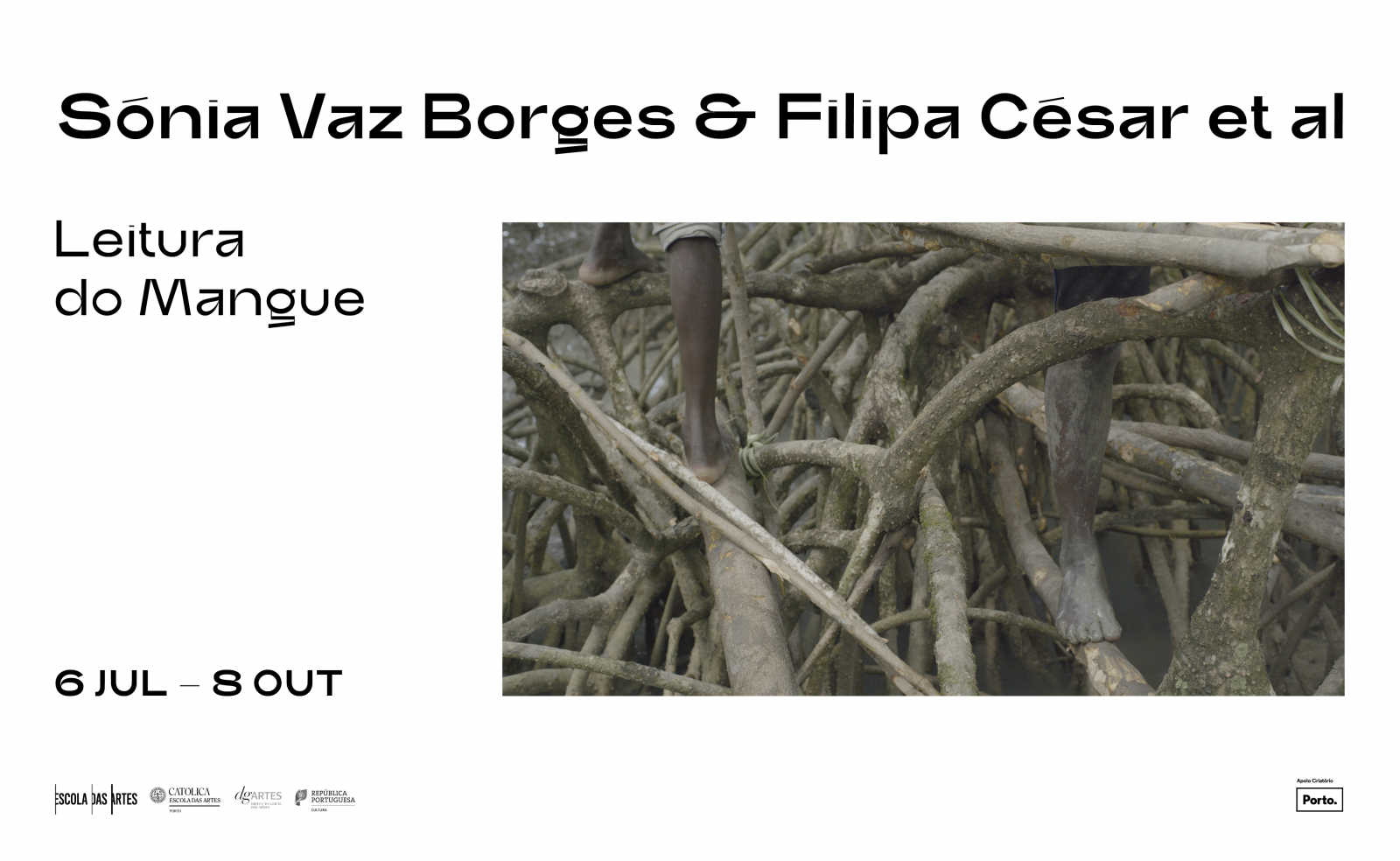
Sónia Vaz Borges & Filipa César et al · Leitura do Mangue

06.07.2021 19:00 — 08.10.2021 19:00


ENGLISH

Exposição
Leitura do Mangue
Sónia Vaz Borges & Filipa César et al
6 JUL – 8 OUT 2021

Aviso: A exposição estará encerrada de 31 de Julho a 30 de Agosto. A reabertura está prevista para 31 de Agosto.

Abertura:  6 JUL · 19H00
No contexto da Porto Summer School on Art & Cinema 2021
 

Biografias | Vistas de Exposição | Ficha Técnica | Apoios

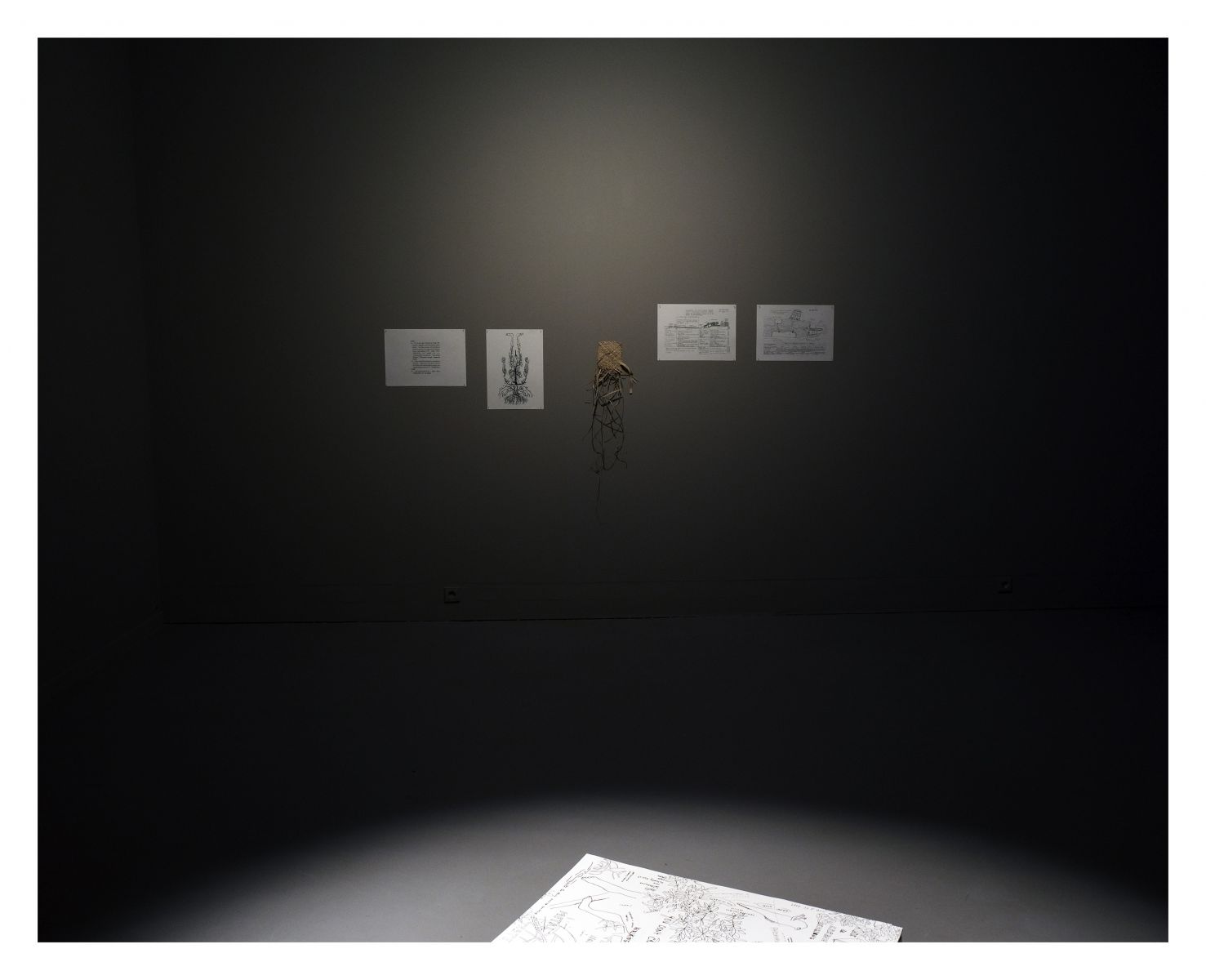
Estudámos na lama. Quando a água nos chegava aqui (apontando um pouco acima do tornozelo), ficávamos lá até a lição acabar. Depois íamos embora e caminhávamos através da água para casa. Estudámos e vivemos no mangue durante quatro anos (1966-1969): foi o nosso refúgio contra os bombardeamentos (Marcelino Mutna).
 
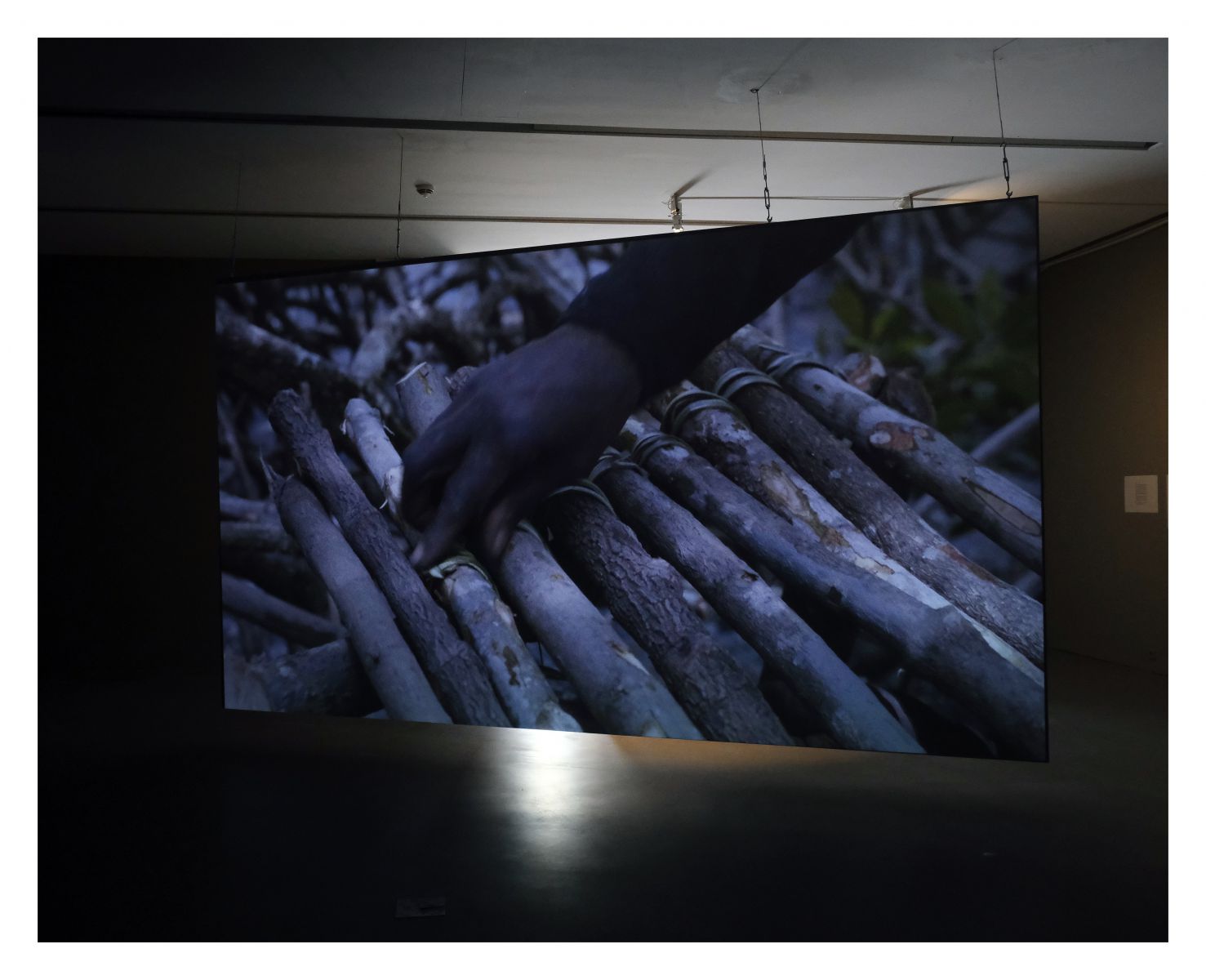
Recentemente fomos à Guiné-Bissau pesquisar as condições dos estudantes nas escolas de guerrilha do mangue. Transformámo-nos e tornámo-nos, nós próprios, os aprendizes. E a primeira lição foi saber como andar. Se andares a direito, colocando primeiro os calcanhares no chão, escorregas imediatamente e cais nos diques inundados dos campos de arroz do mangue. Ou então ficas preso na lama do mangue. Precisas de baixar o corpo, dobrar os joelhos e espetar os pés verticalmente na lama, estender os braços em frente, num movimento consciente e presente. Na escola do mangue, a aprendizagem acontece com o corpo todo.
 
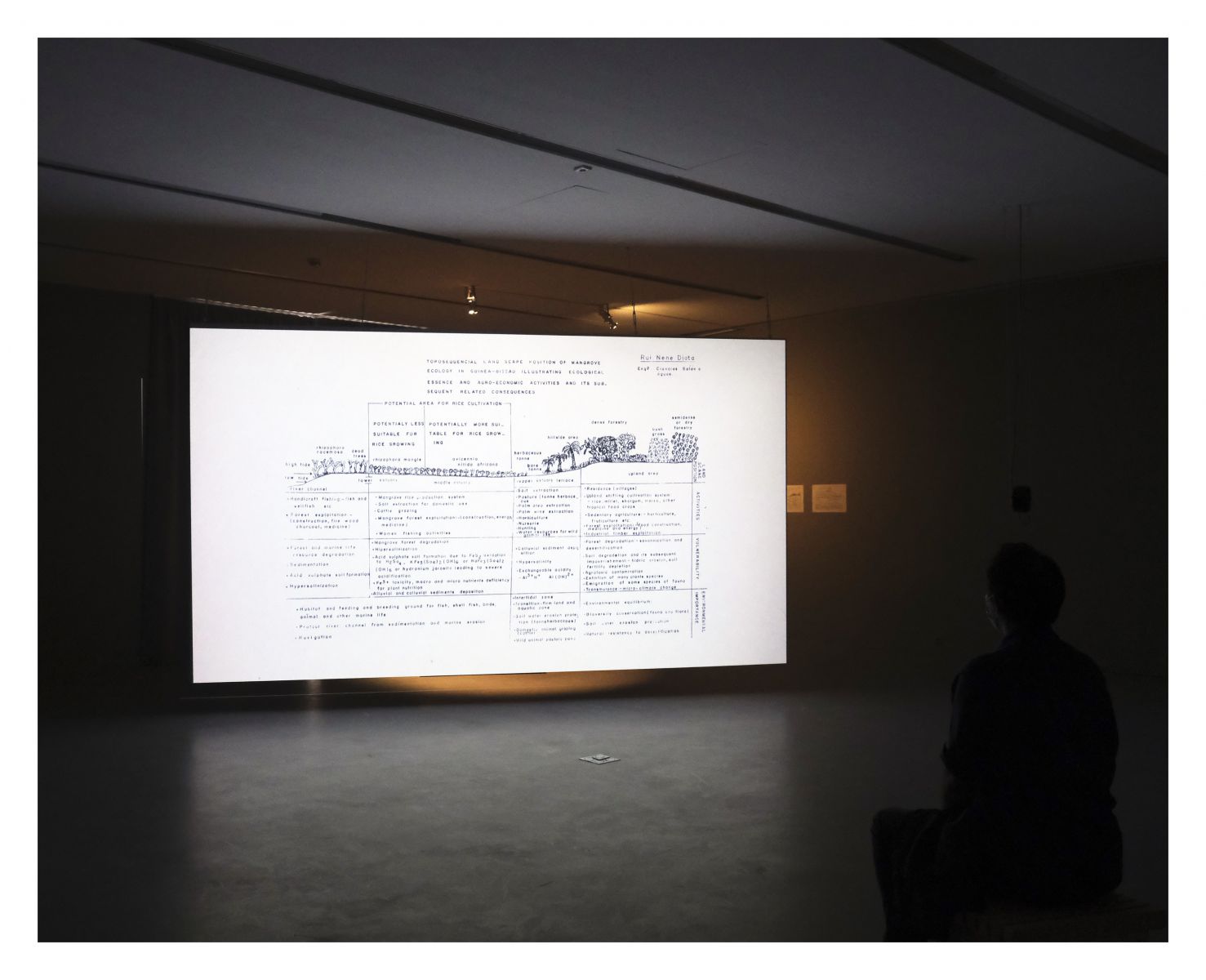
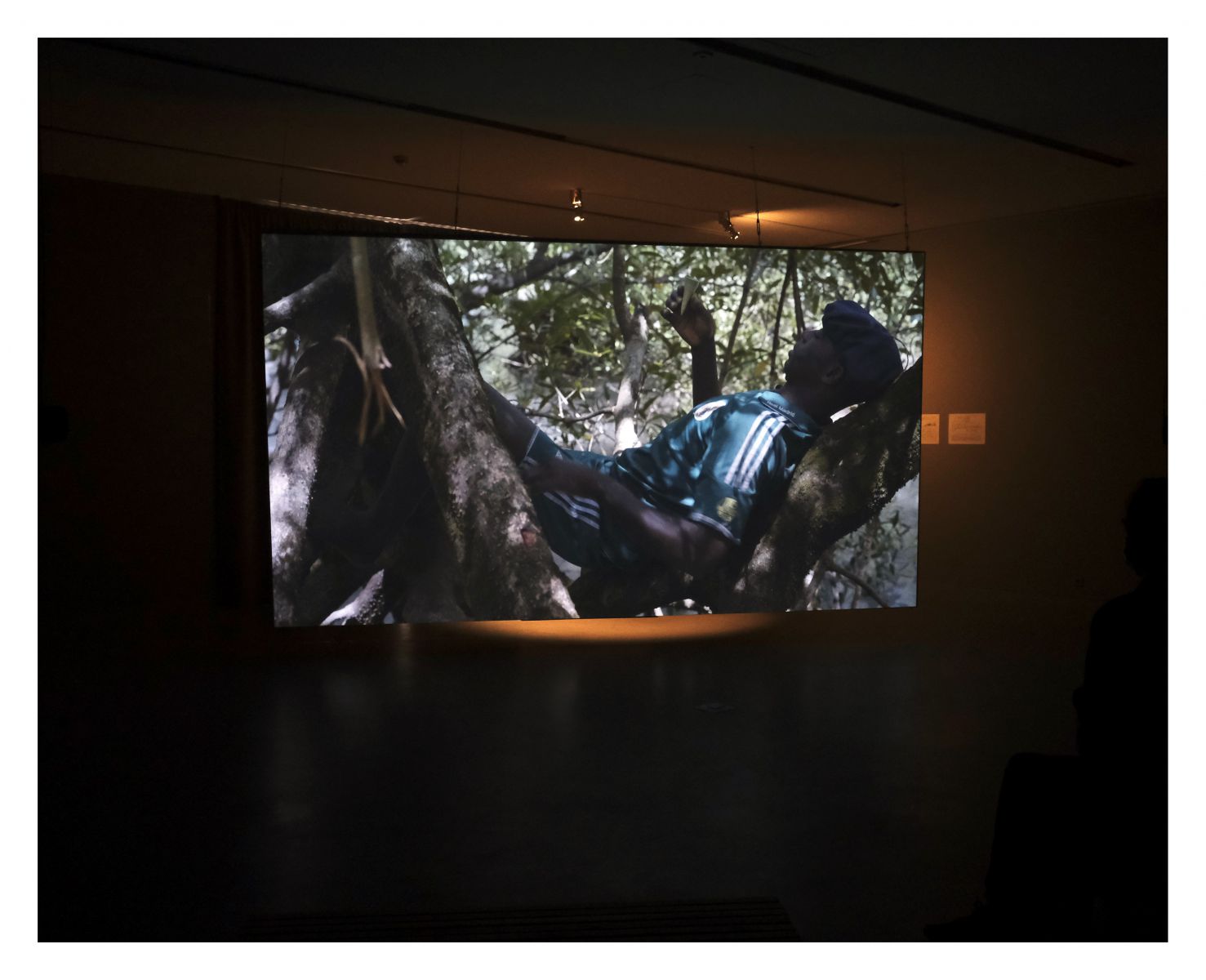
A nossa conversa parte de uma pesquisa profunda sobre o sistema militante educativo desenvolvido pelo Partido Africano para a Independência da Guiné-Bissau e Cabo Verde (PAIGC) durante o processo de libertação, os onze anos de luta armada (1963-74) contra a ocupação colonial portuguesa e o interesse recorrente no imaginário da tarafe – a palavra criola para mangue. O mangue é uma arquitetura natural aérea, onde a memória ainda flutua através das redes das raízes e o respiro da maré oxigena um conhecimento de resistência numa condição de resistência pelo conhecimento. Aqui entramos num imaginário entrelaçado de várias dimensões convergentes: a epistemologia do rizoma, conceitos de educação militante e política, os ensinamentos de habitantes da comunidade Malafo, arquivos nómadas e noções agronómicas/botânicas de engenharia de mangais.
 
Leitura do Mangue é um mapa de conversas e uma jornada cinemática resultante de um empenho coletivo em falar sobre a natureza do rizoma e da sua resiliência. A escola do mangue não é uma metáfora para uma teoria de resistência, mas um organismo material para a partilha e produção de conhecimento, que evoluiu de uma luta anti-colonial e tomou o ecossistema do mangue como lugar permanente da sua luta – ligar raízes / desligar raízes, aprender / desaprender. A condição militante agropoética que é um tornar-se latente.
 
Curadoria: Daniel Ribas, Nuno Crespo

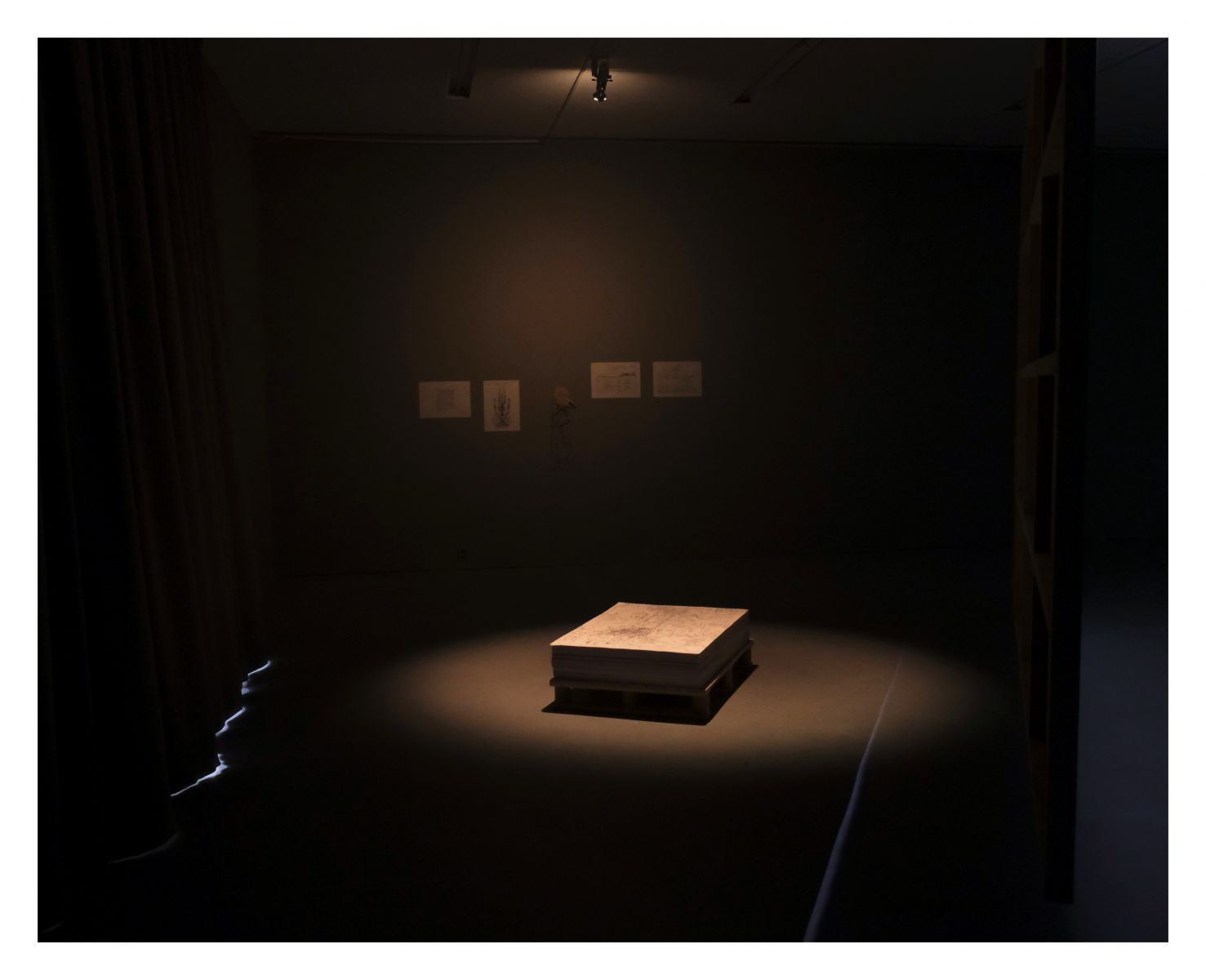
VISTAS DE EXPOSIÇÃO
Fotos © Carlos Lobo


TER – SEX · 14H00 – 19H00
Sala de Exposições da Escola das Artes
ENTRADA LIVRE*

*O acesso à exposição é condicionado às seguintes regras:

  • Utilização obrigatória de máscara
  • Desinfecção das mãos com álcool-gel à entrada (disponível no local)
  • Higienização dos auscultadores antes e após cada utilização (produtos disponíveis no local)
  • Distanciamento social obrigatório de dois metros entre visitantes
  • Lotação limitada a cinco visitantes em simultâneo
  • Duração máxima por visita de trinta minutos 


BIOGRAFIAS
 
Sónia Vaz Borges
Sónia Vaz Borges é historiadora militante interdisciplinar e organizadora político-social. Doutorada em história da educação pela Universidade Humboldt de Berlim. É autora do livro Militant Education, Liberation Struggle; Consciousness: The PAIGC education in Guinea Bissau 1963-1978, (Peter Lang, 2019). Atualmente é pesquisadora da Universidade Humboldt de Berlim. Como parte de seu trabalho académico, Vaz Borges está a desenvolver um projeto de livro sobre o conceito de
“arquivo errante” e o processo de memória e imaginários.
 
Filipa César
Filipa César produz filmes, textos e organiza encontros. Interessa-se pelos aspectos ficcionais do documentário, pelas fronteiras porosas entre o cinema e a sua recepção e pelas políticas e poéticas inerentes ao ritual coletivo da imagem em movimento. Desde 2011, investiga o cinema, a cultura e a ciência militante
dos Movimentos de Libertação Africana na Guiné-Bissau como um laboratório de crítica às epistemologias colonias atuais. Iniciou os projetos coletivos
Luta ca caba inda e Mediateca Onshore. César tem apresentado o seu trabalho internacionalmente em festivais de cinema, bienais e espaços de arte contemporânea.
 
Nuno Crespo
Atual Diretor da Escola das Artes da Universidade Católica Portuguesa, é licenciado e doutorado em filosofia pela Faculdade de Ciência Sociais e Humanas da Universidade Nova de Lisboa. As suas atividades de investigação têm sido dedicadas ao cruzamento entre arte, arquitetura e filosofia e às possibilidades de exercício do pensamento crítico. Tem dedicado artigos a autores como Adolf Loos, Aldo Rossi, Kant, Peter Zumthor, Wittgenstein e Walter Benjamin. Das suas publicações podem destacar-se trabalhos sobre Adriana Molder, Aires Mateus, Axel Hütte, Bernd e Hilla Becher, Candida Höfer, Daniel Blaufuks, Fassbinder, Gerhard Richter, Luisa Cunha, Pedro Costa, Rui Chafes, Vasco Araújo, entre outros, e os livros “Wittgenstein e a Estética” e “Julião Sarmento. Olhar Animal.” Em prolongamento das suas atividades de investigação é crítico de arte e fez a curadoria de diversas exposições.

Daniel Ribas
Daniel Ribas (Porto, 1978) é investigador, programador e crítico de cinema. Professor auxiliar Escola das Artes da Universidade Católica Portuguesa, é membro da direção do CITAR – Centro de Investigação em Ciência e Tecnologia das Artes e editor do CITAR Journal. É, ainda, programador do Porto/Post/Doc: Film & Media Festival – do qual foi Diretor Artístico entre 2016 e 2018 – e do Curtas Vila do Conde. Doutor em Estudos Culturais pelas Universidades de Aveiro e do Minho, escreveu diversos artigos e capítulos de livros sobre cinema português, cinema contemporâneo e documentário.


Organização
 
Este projeto é financiado por Fundos Nacionais através da FCT – Fundação para a Ciência e a Tecnologia no âmbito do projecto Ref.ª UID/00622/2020.
 
 
Este projeto foi desenvolvido no âmbito do projeto NORTE-01-0145-FEDER-022133, cofinanciado pelo Programa Operacional Regional do Norte (NORTE 2020), através do Portugal 2020 e do Fundo Europeu de Desenvolvimento Regional (FEDER).
 
Cortesia
Cristina Guerra Contemporary Art
 
Apoios
República Portuguesa – Cultura / Direção-Geral das Artes
Fundação Calouste Gulbenkian
Haus der Kulturen der Welt
Harun Farocki Institute
"la Caixa" Foundation
Câmara Municipal do Porto (Programa de Apoio à Programação Artística CRIATÓRIO)



1st Phy2SUDOE Workshop

08.07.2021 09:00


WORKSHOP: PHYTOMANAGEMENT FOR SOIL REMEDIATION AND THE CREATION OF VALUE

Soil contamination is a widespread problem in Europe with adverse effects on biodiversity and human health. With the goal of soil restoration, Phy2SUDOE intends to promote a wider use of phytomanagement techniques by managers and owners of contaminated lands. Phytomanagement of contaminated soils is a multi-objective management strategy, based on the use of plants (trees, shrubs, herbaceous) to control the risk associated with the presence of contaminants in degraded sites, while (i) are generated products (e.g., wood, resin, essential oils, bioenergy, ecocatalysts) from harvested biomass; and (ii) the supply of ecosystem services is enhanced (e.g., C sequestration, erosion control, creation of habitats).

Phy2SUDOE project also aims to implement strategies for the conservation of endemic biodiversity typical of some contaminated sites (e.g., metallurgical flora, plant growth-promoting bacteria, etc.) due to their intrinsic and utilitarian value (e.g., biotechnological applications).

Participants will have the opportunity to get insights and learn more about phytomanagement of contaminated soils, soil restoration and policy from renowned experts in the fields.

Please register here


PROGRAMME

All times are in Portugal time.

9:00 – 9:10 Welcome
Paula Castro (UCP, Portugal)

9:10 – 10.55 Session 1 – Soil Contamination and Phytomanagement Strategies
Moderator – Helena Moreira (UCP, Portugal)

9:10 – 9:40 Advancing in the application of innovative phytomanagement strategies in contaminated areas of the SUDOE space – Phy2SUDOE
Carlos Garbisu (Neiker, Spain)

9:40 – 10:10 Phytomanagement of trace element contaminated sites: lessons from field studies and perspectives
Valérie Bert (INEIR, France)

10:10 – 10:40 Innovative tools to assess the impact on human health of contaminated industrial areas
José Darrozes (Toulouse III-Paul Sabatier University, France)

10:40 – 10:55 Q&A

10:55 – 11:10 Break (15 min)

11:10 – 13:00 Session 2 – Soil Preservation and Policy
Moderator – Sofia Pereira (UCP, Portugal)

11:10 – 11:40 Soil contamination, prevention and remediation – main challenges
Regina Vilão (Portuguese Environmental Agency, Portugal)

11:40 – 12:10 LUCAS Soil, a tool for research and policy development
Alberto Orgiazzi (DG Joint Research Centre, EU)

12:10 – 12:40 Soil biodiversity in the global agenda: linking scientific knowledge to environmental policy
María Jesús Iglesias Brione (Vigo University, Spain)

12:40 – 13:00 Q&A

13:00 Closing

1st Phy2SUDOE Workshop

08.07.2021 09:00


WORKSHOP: PHYTOMANAGEMENT FOR SOIL REMEDIATION AND THE CREATION OF VALUE

Soil contamination is a widespread problem in Europe with adverse effects on biodiversity and human health. With the goal of soil restoration, Phy2SUDOE intends to promote a wider use of phytomanagement techniques by managers and owners of contaminated lands. Phytomanagement of contaminated soils is a multi-objective management strategy, based on the use of plants (trees, shrubs, herbaceous) to control the risk associated with the presence of contaminants in degraded sites, while (i) are generated products (e.g., wood, resin, essential oils, bioenergy, ecocatalysts) from harvested biomass; and (ii) the supply of ecosystem services is enhanced (e.g., C sequestration, erosion control, creation of habitats).

Phy2SUDOE project also aims to implement strategies for the conservation of endemic biodiversity typical of some contaminated sites (e.g., metallurgical flora, plant growth-promoting bacteria, etc.) due to their intrinsic and utilitarian value (e.g., biotechnological applications).

Participants will have the opportunity to get insights and learn more about phytomanagement of contaminated soils, soil restoration and policy from renowned experts in the fields.


PROGRAMME

All times are in Portugal time.

9:00 – 9:10 Welcome
Paula Castro (UCP, Portugal)

9:10 – 10.55 Session 1 – Soil Contamination and Phytomanagement Strategies
Moderator – Helena Moreira (UCP, Portugal)

9:10 – 9:40 Advancing in the application of innovative phytomanagement strategies in contaminated areas of the SUDOE space – Phy2SUDOE
Carlos Garbisu (Neiker, Spain)

9:40 – 10:10 Phytomanagement of trace element contaminated sites: lessons from field studies and perspectives
Valérie Bert (INEIR, France)

10:10 – 10:40 Innovative tools to assess the impact on human health of contaminated industrial areas
José Darrozes (Toulouse III-Paul Sabatier University, France)

10:40 – 10:55 Q&A

10:55 – 11:10 Break (15 min)

11:10 – 13:00 Session 2 – Soil Preservation and Policy
Moderator – Sofia Pereira (UCP, Portugal)

11:10 – 11:40 Soil biodiversity in the global agenda: linking scientific knowledge to environmental policy
María Jesús Iglesias Briones (Vigo University, Spain)

11:40 – 12:10 LUCAS Soil, a tool for research and policy development
Alberto Orgiazzi (DG Joint Research Centre, EU)

12:10 – 12:40 Soil contamination, prevention and remediation – main challenges
Regina Vilão (Portuguese Environmental Agency, Portugal)

12:40 – 13:00 Q&A

13:00 Closing

Lançamento do INSURE.HUB Innovation in Sustainability and Regeneration Hub

27.10.2021 14:30


PROGRAMA


A Sustentabilidade e a Regeneração são áreas prioritárias para as organizações nos dias de hoje, em linha com o proposto pelo European Green Deal. O INSURE.hub é uma iniciativa que tem como grande objetivo criar um ecossistema internacional vibrante de conhecimento transdisciplinar que promova soluções de negócio de âmbito circular, sustentável e regenerativo, potenciadas por tecnologias disruptivas. Resulta da mobilização da Universidade Católica Portuguesa, no Porto, através das suas Faculdades - Católica Porto Business School e Escola Superior de Biotecnologia - e da Planetiers New Generation, aportando um conjunto de entidades nacionais e internacionais que se constituem como líderes de pensamento e agentes de transformação para a Sustentabilidade e a Regeneração.


14:30 Opening Remarks

Isabel Capeloa Gil | Universidade Católica Portuguesa (Rector)
Isabel Braga da Cruz | Catolica Porto - CRP (President)

14:40 Brief presentation of INSURE.hub - “Innovation for Sustainability and Regeneration Hub”

Manuela Pintado | Católica Porto, Faculty of Biotechnology - Centre for Biotechnology and Fine Chemistry
João Pinto | Católica Porto (Vice-President) and Business School (Professor of Finance)
António Vasconcelos, Planetiers New Generation (Co-Leader)

15:05 European Survey Corporate: Sustainability, Innovation and Leadership

Edwin Janssen | Sustainable Growth Associates - The Natural Step Germany (Partner)

15:20 Backcasting from net-zero and from positive pursuits enabled by tech acceleration

Rüdiger Rohrig | Sustainable Growth Associates - The Natural Step Germany (Managing Partner)

15:40 Panel discussing the findings of the survey and the challenges ahead

Ana Salomé | Symington Family Estates (People and Sustainability Executive Board Member)
Micaela Cabral | Bondalti (Head of Strategy and Sustainability)
in dialogue with Edwin Janssen

16:00 NETWORK BREAK

16:30 Future-Fit Business as a navigation toolkit aligned with backcasting

Tom Bregman | Future-Fit Foundation, UK (Corporate)

16:50 Sustainable & regenerative financing and investing

João Pinto | Católica Porto Business School
Sofia Santos | Credito Agrícola (ESG expert advisor)
in dialogue with Tom Bregman

17:10 Regenerative business – the new wave

John Fullerton | Capital Institute, US (CEO)

17:40 An International Dialogue on Regenerative Business

Gunter Pauli | ZERI - Zero Emissions and Research Initiative (CEO and one of the Founders of Circular Economy)
in dialogue with John Fullerton

18:10 Case study of Circular and Sustainable Innovation: Alchemy

John Melo | CEO Amyris Inc, US (CEO)
introduced by Manuela Pintado (also Scientific Coordinator of the Alchemy Project)

18:30 Closing Words

Paula Castro | Escola Superior de Biotecnologia (Dean)
Rui Sousa | Católica Porto Business School (Dean)


If you have any doubts regarding this event, please send an email to eventos@porto.ucp.pt


Uso de máscara obrigatório e agradece-se a apresentação de certificado de vacinação
It is mandatory the use of mask and presentation of the vaccination certificate


Pages